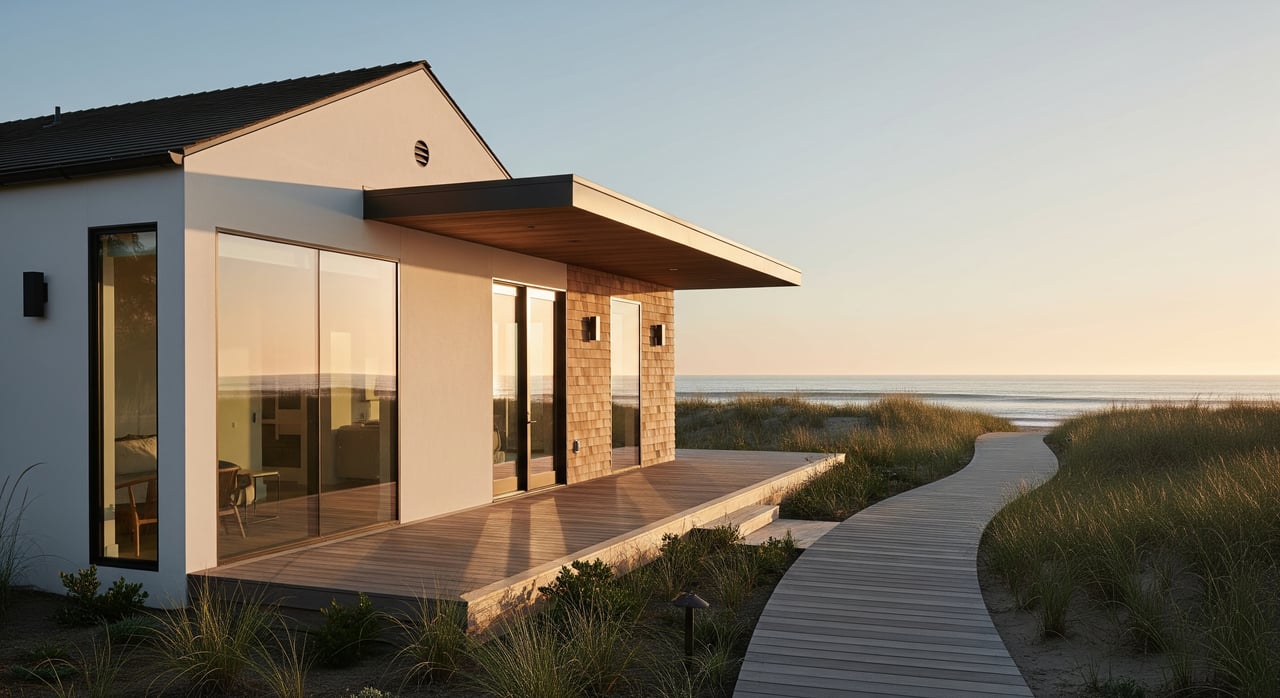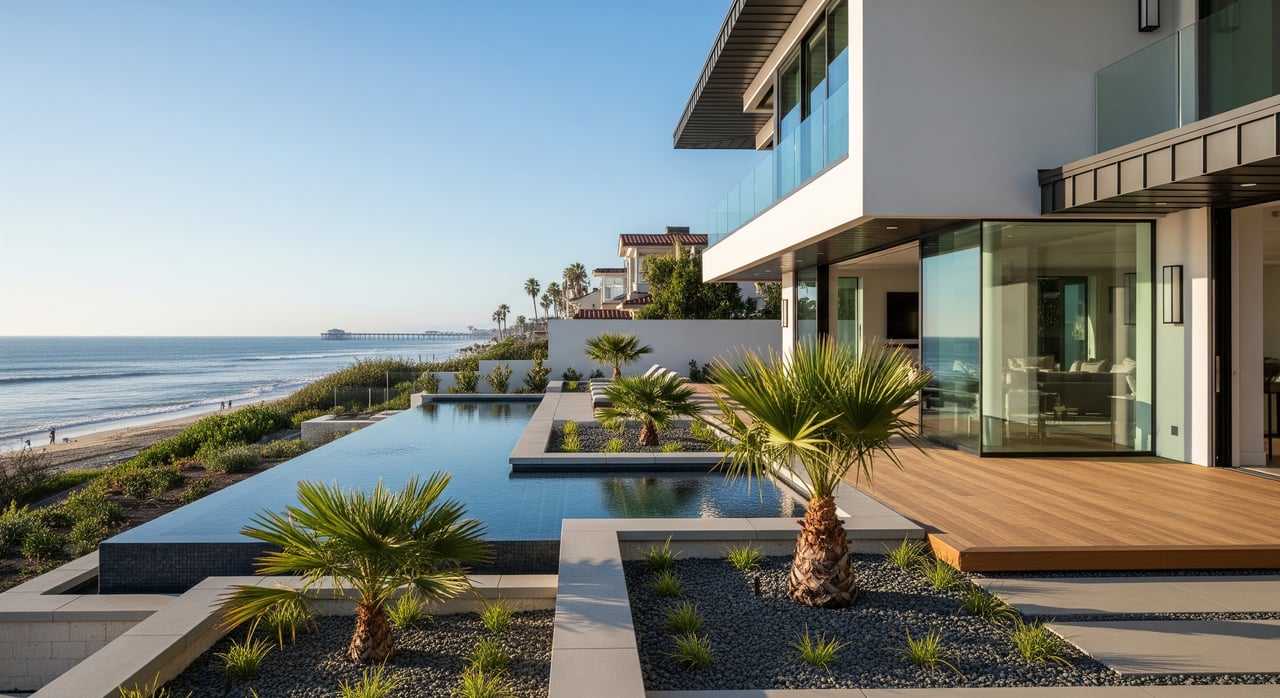
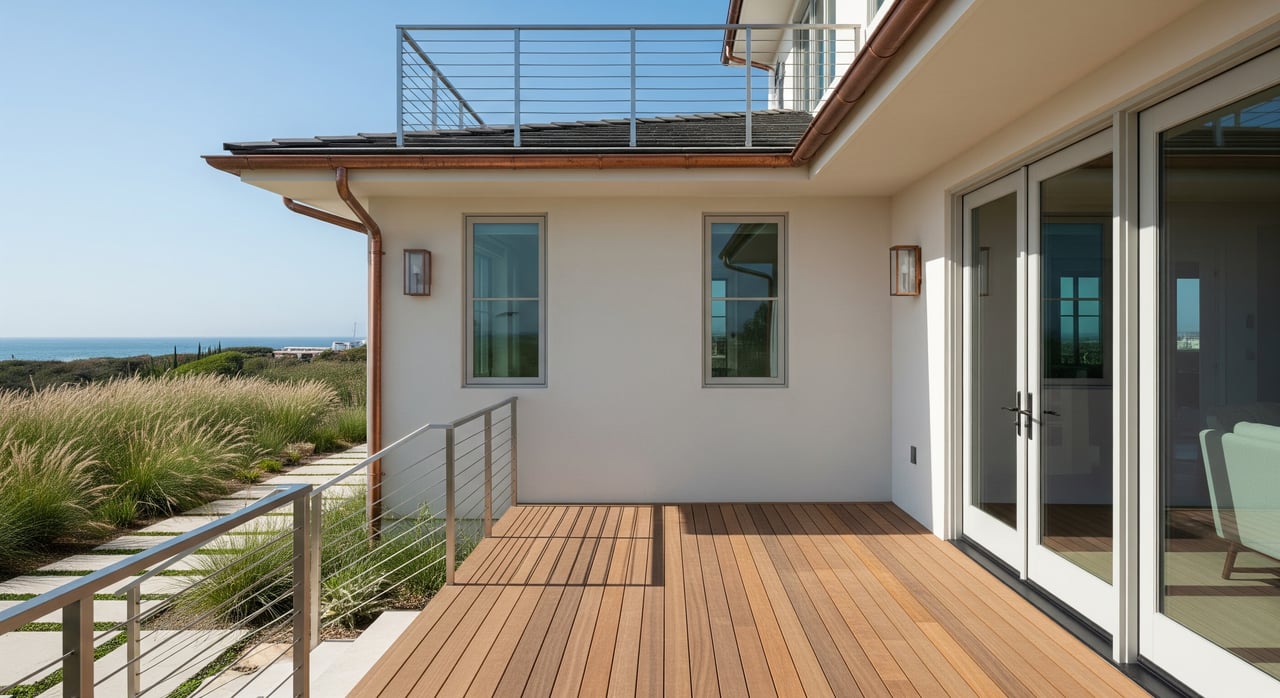
Love the ocean breeze but not the rust it leaves behind? Living in Seal Beach gives you mild weather and coastal views, yet salt air can shorten the life of metals, paint, and outdoor equipment. If you want fewer repairs and better comfort, a few smart choices and a simple maintenance routine go a long way. This guide shows you what salt air does, where to look first, which materials last longer, and how to set a seasonal plan that fits Seal Beach. Let’s dive in.
Why salt air matters in Seal Beach
Seal Beach sits right on the Pacific, so the marine layer and ocean spray bring fine salt that settles on your home. Microclimates matter. Windward walls and ocean-facing patios see more buildup than sheltered sides. In the presence of moisture, those salts speed up corrosion and break down finishes. You see it as rust blooms, chalky paint, sticky windows, and struggling HVAC. For local context, see the city’s coastal setting and climate overview for Seal Beach, California.
What salt air hits first
Metals and fasteners
Exposed steel, connectors, and deck screws corrode faster near the ocean. Look for rust stains, pitting, and loose fittings on railings and flashing. Avoid mixing dissimilar metals that can trigger galvanic corrosion, and replace failing fasteners with stainless or coated options. For common failure points in coastal zones, see this overview of roof fasteners and corrosion in coastal areas.
HVAC and outdoor equipment
Salt deposits on condenser coils block airflow and corrode fins and electrical parts. Gentle fresh-water rinses keep performance up and prevent damage. In salt exposure, many coastal guides recommend a light rinse every 2 to 8 weeks during heavy-use seasons, plus at least annual professional service. For cadence and care tips, review this coastal HVAC guidance on protecting an AC unit near the ocean.
Roofing, gutters, and flashing
Metal gutters and edge metals can develop pinholes. Clean gutters twice a year and repair small corrosion early, especially on windward edges. Inspect roof fasteners and flashings for rust and sealant failure so leaks do not progress.
Paint, siding, and trim
Salt speeds up chalking and fading on exterior paint, and it can lift coatings on wind-facing walls. Clean surfaces before repainting and use high-quality exterior systems made for coastal conditions. Plan on shorter repaint cycles for ocean-facing sides. Learn more about coastal timing and prep from this guide to the best season for coastal exterior painting.
Windows, doors, and hardware
Aluminum frames and finishes can pit, and tracks or locks may corrode. Keep gaskets and caulking in good shape to block water and salt. When you replace hardware or frames, look for marine-grade components and high-performance finishes with proven salt-fog resistance, such as systems tested to AAMA 2605 PVDF standards.
Solar panels and exterior electronics
Salt film reduces solar output and can affect racking and wiring. In coastal settings, panels often benefit from more frequent cleaning, roughly every 3 to 6 months depending on exposure. For safe cleaning basics, see this guide on how to clean solar panels like a pro.
Concrete and reinforced elements
Chlorides can move through concrete and corrode rebar over time. If you are planning major repairs or retrofits, consult a specialist about lower-permeability mixes or coated reinforcement appropriate for coastal zones.
Smart material choices for coastal homes
Choose the right stainless
Not all stainless is the same near the ocean. Use 316 stainless for exposed hardware, railings, and deck fittings. It contains molybdenum, which helps resist pitting from chlorides better than 304 in salt air. Learn more about marine grade stainless.
Specify proven metal finishes
For aluminum windows, fascia, and railings, specify PVDF coatings tested to AAMA 2605. These finishes are designed for durability in humidity, UV, and salt fog, which helps painted metal hold up longer in Seal Beach. Get an overview of AAMA 2605 performance standards.
Pick resilient siding and roofing
Fiber-cement and engineered composites tend to outperform bare wood in salt exposure. Concealed-fastener metal roofs with quality coatings can resist both salt and UV. Avoid details that trap salty moisture in hidden cavities.
Use long-life sealants and gaskets
Choose exterior-grade sealants designed for UV, water, and salt exposure. Maintain perimeter joints around windows, doors, and penetrations more often than you would inland.
A simple Seal Beach maintenance plan
Quarterly
- Walk the exterior for rust blooms, pitting, loose fasteners, and paint blisters. Touch up early.
- Rinse the outdoor HVAC condenser with fresh water. Keep pressure low and avoid bending fins. Follow the schedule suggested in coastal HVAC care guidance.
- Hose down railings and other exposed metal if wind-driven salt is common.
Every 6 months
- Clean gutters and downspouts. Check for pinholes and repair or replace corroded sections.
- Inspect and reseal window and door caulking where it is cracked or hardened.
- Clean solar panels if output drops or visible film builds up.
Annually
- Wash and inspect siding and trim. Use mildew-resistant primers and coastal-rated paints where needed. See coastal timing tips for exterior painting.
- Inspect roof flashings and fasteners for corrosion and repair promptly.
- Schedule professional HVAC service to clean coils, check electrical components, and confirm drains are clear.
Landscaping buffers that help
Strategic planting can soften wind and catch salt before it reaches your walls and windows. Use dense evergreen hedges and salt-tolerant species along windward edges. In Southern California, options like Atriplex, Abronia, and many Dudleya species are commonly used in coastal gardens. For ideas, review this coastal planting guidance on salt-tolerant gardens.
Permits and insurance to keep in mind
Work near the shoreline often requires permits. If you are considering seawalls, bluff work, or other coastal development, check with the City of Seal Beach and the state’s rules through the California Coastal Commission before you begin. For insurance and resale, keep records of your maintenance and any coastal-rated upgrades. Documentation can help with claims and future buyer confidence, as noted in this overview of coastal property maintenance considerations.
Quick starter checklist
- Use 316 stainless for exposed metal replacements.
- Specify PVDF coatings that meet AAMA 2605 on architectural metal.
- Rinse the outdoor HVAC unit every 2 to 8 weeks in salt season.
- Clean gutters and check flashings twice a year.
- Document all maintenance and upgrades for warranties and resale.
Planning a move or upgrade in Seal Beach?
Coastal living should feel easy, not high maintenance. If you are buying, selling, or weighing upgrades, get local guidance that blends neighborhood expertise with a clear plan for coastal care. For thoughtful, confidential representation in Seal Beach and nearby markets, connect with Serena Goss.
FAQs
How does salt air affect a Seal Beach home?
- Salt combines with moisture to corrode metal, weaken finishes, and reduce HVAC efficiency, especially on wind-facing sides.
What materials last longer near the ocean?
- 316 stainless hardware and PVDF-coated architectural metal perform better in chloride-rich environments than standard options.
How often should I rinse my outdoor AC in Seal Beach?
- In salt exposure, a light fresh-water rinse every 2 to 8 weeks during heavy-use seasons helps, plus at least one professional cleaning each year.
What should I check first if I see rust?
- Start with fasteners, railings, gutters, and roof flashings. Tighten or replace failing parts and touch up coatings quickly.
Can landscaping reduce salt spray on my house?
- Yes. Dense windbreaks and salt-tolerant plants can slow wind and catch salt, though they do not replace regular maintenance.