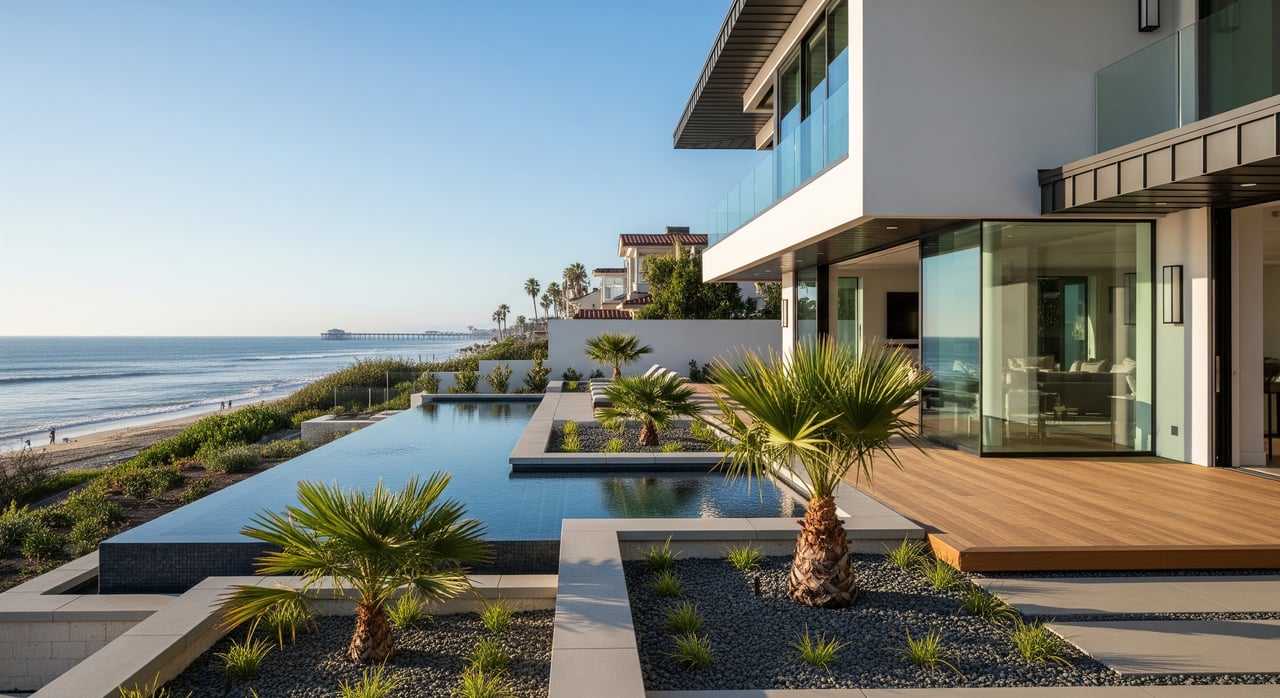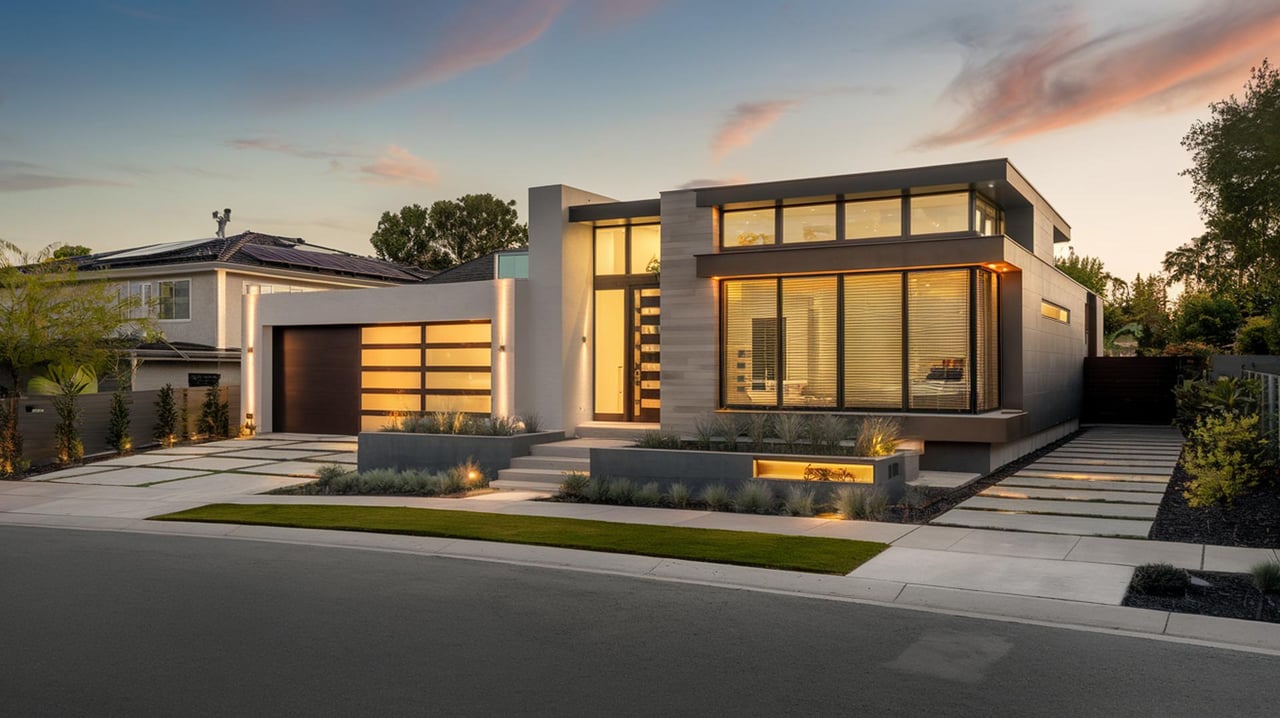
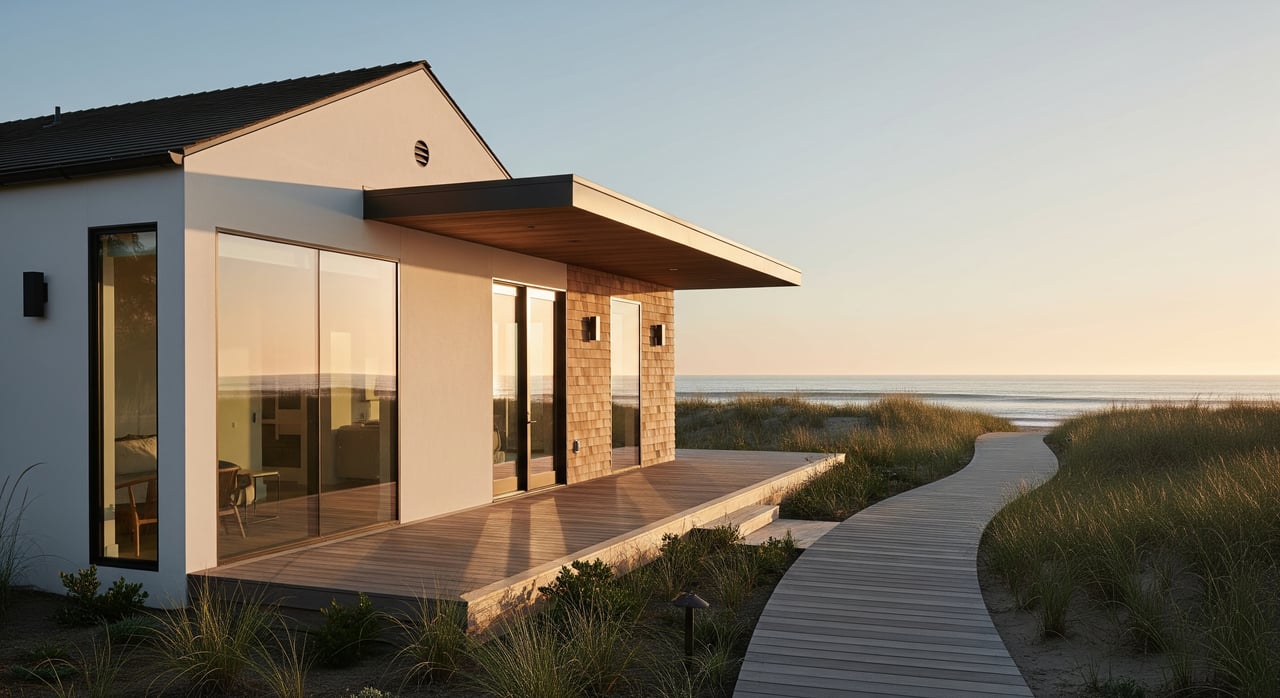
Thinking about buying a home in Seal Beach but not sure how to read the market? You’re not alone. Coastal neighborhoods move fast, and small shifts in supply or rates can change your plan. In this guide, you’ll learn the key metrics to track, how micro-areas differ, what costs and risks to factor in, and how to craft a strong offer. Let’s dive in.
Why Seal Beach stays competitive
Seal Beach combines ocean access, views, and a compact city footprint, which limits new supply. That scarcity creates a clear coastal premium. You’ll see a mix of owner-occupants, second-home buyers, and some investor interest, which can intensify competition for move-in-ready homes, especially near the beach.
Tourism and seasonality can add momentum in spring and summer. Broader factors like mortgage rates and overall Orange County strength also affect urgency. Nearby school access and services can influence decisions for some buyers, including those who compare Seal Beach with adjacent Los Alamitos.
Key market metrics to watch
Understanding a few metrics will help you make confident decisions:
- Active inventory: Tells you how much is available. In compact coastal cities, inventory often runs lean. Pair this with months of inventory for context.
- Months of inventory: Inventory divided by average monthly sales. Under 3 months signals a seller’s market, around 4 to 6 is more balanced, over 6 favors buyers.
- Median sale vs. list price: Sale price shows actual outcomes. Compare the sale-to-list ratio to gauge negotiation room.
- Days on market (DOM): Short DOM can indicate strong demand. Look at median DOM for clarity.
- Price per square foot: Use this for apples-to-apples comparisons across different sizes. Segment by product type and micro-area.
- New listings and pendings: Rising new listings with steady pendings can hint at easing conditions. Rising pendings with flat new listings suggests tightening.
- Price reductions: Frequent reductions may signal pricing corrections.
- Contingent/off-market activity: High off-MLS activity can mean extra competition you won’t see on portals. Ask your agent what’s trading privately.
- Comparable sales (comps): Focus on the last 3 to 6 months, similar bed/bath and lot size, within about 0.25 to 0.5 miles for coastal streets.
Short vs. longer trends
Use rolling 3-, 6-, and 12-month windows. Three months captures momentum; 12 months smooths out seasonality. Track the month-to-month direction, but let the 3 to 12-month view guide your pricing and timing. Compare Seal Beach with Orange County and nearby Huntington Beach, Long Beach, and Los Alamitos to spot premiums and spillover effects.
Micro-areas at a glance
Seal Beach is compact, but neighborhoods vary in product mix, pricing, and pace. Compare by street, view category, and property type.
Old Town
- Mix: Condos, townhomes, and smaller-lot single-family homes near Main Street and the beachfront.
- Appeal: Immediate beach access and walkability to shops and restaurants.
- Market takeaways: Premium pricing for proximity to sand and services. Inventory is limited and can move quickly.
- Considerations: Seasonal noise and traffic, parking rules, HOA governance for some buildings, and local short-term rental regulations.
Surfside
- Mix: Beachfront and near-beach single-family homes, plus some duplexes and townhomes.
- Appeal: Ocean views and beach access drive per-square-foot pricing.
- Market takeaways: Limited supply and small parcels support higher prices, especially for unobstructed views and corner lots.
- Considerations: Coastal exposure can increase maintenance. Review potential flood, erosion, and sea-level impacts and check insurance availability and costs.
College Park West
- Mix: Primarily single-family homes on modest lots with more conventional street layouts.
- Appeal: Residential setting with yard space and access to area amenities.
- Market takeaways: Often a broader pool of single-family options than the beachfront zones, with steady owner-occupant activity.
- Considerations: Verify school boundaries and commute routes. Compare price per square foot by renovation level and micro-location.
Nearby Los Alamitos
- Mix: Single-family neighborhoods, some planned subdivisions, and townhouses.
- Appeal: More inland pricing while staying close to Seal Beach amenities.
- Market takeaways: Many buyers cross-shop Seal Beach and Los Alamitos. Compare taxes, school ratings from official sources, commute times, and price trends.
Cost, risk, and ownership details
Coastal ownership comes with specific costs and requirements. Closer to the water, you may encounter higher maintenance due to salt air and potential exposure to wind or moisture. Flood zones can require separate flood insurance. If you are buying into a condo or townhome, review HOA dues, reserve studies, and rental policies. In some Orange County communities, special taxes such as Mello-Roos or other assessments can add to carrying costs. Confirm all items in disclosures and with local authorities.
For verification and risk review, consult the local MLS via your agent, Orange County and California Association of REALTORS reports, FEMA flood resources, the City of Seal Beach municipal code, and local insurance brokers or the California Department of Insurance.
Your pre-tour data checklist
Before you see homes, ask your agent to pull:
- Recent comps from the last 3 to 6 months with similar size and location.
- Active inventory and new listings in your target MLS areas or ZIP codes.
- List-to-sale price ratios and median DOM for the neighborhood.
- Price reduction history for the subject property and nearby listings.
- HOA documents, CC&Rs, and reserve studies if applicable.
- Flood zone status and any available elevation certificate.
- Property tax details, including any special assessments.
- Estimated utility, insurance, and routine maintenance costs.
Coastal inspection priorities
When you tour and inspect, prioritize the basics and the coastal-specific items:
- Structural/exterior: Roof, decks or balconies, siding, windows, and any visible corrosion.
- Mechanical systems: Age and condition of HVAC, water heater, and electrical panel.
- Pest/termite: Request pest inspection history and treatment records.
- Moisture/mold: Check crawlspaces, garages, and lower levels for water intrusion.
- Foundation/soil: For near-beach properties, review any geotechnical reports or erosion notes.
- Drainage/grading: Ask about stormwater handling and any history of garage or basement flooding.
- Insurance: Confirm insurability and likely premiums before you write an offer, especially if the home is near the water or in a mapped flood zone.
Offer strategy in competitive seasons
- Get a solid pre-approval or provide proof of funds if paying cash.
- Balance contingencies. You can offer stronger earnest money while keeping essential inspection protections.
- Consider escalation clauses or appraisal gap language only with clear caps and guidance from your agent.
- Ask the listing agent about timing, rent-backs, or preferred closing date to align with the seller’s priorities.
- In tight markets, ask about pocket or coming-soon listings that may not hit public portals.
How to read comps like a local
- Product type: Compare single-family to single-family, condo to condo.
- Distance: Stay within roughly 0.25 to 0.5 miles for coastal streets when possible.
- Time frame: Target 90 days of closed sales; extend to 6 months if inventory is thin.
- Size filter: Aim for plus or minus 15 percent of the subject’s square footage.
- View segmentation: Separate beachfront or ocean-view, partial-view, and interior homes when calculating price per square foot.
Practical next steps
- Define your top micro-areas and must-haves, including parking, outdoor space, or view.
- Review recent 3-, 6-, and 12-month trends and confirm current DOM and list-to-sale ratios.
- Tour at different times of day to assess traffic, noise, parking, and beach activity.
- Request an insurance pre-quote and confirm flood zone status early.
- If a condo or townhome, read HOA financials, rules, and rental policies.
- Line up financing and prepare for multiple-offer dynamics.
- Work with a local agent who can surface off-market opportunities and verify data from the MLS and city resources.
If you want boutique, confidential guidance backed by a luxury network, Altamira Properties offers founder-led representation, curated off-market access, and elevated media to help you win the right home in Seal Beach or Los Alamitos. Request a private consultation or off-market access with Serena.
FAQs
How expensive is Seal Beach vs. Orange County?
- Coastal neighborhoods typically carry a premium over inland areas; verify with county-level reports from local Realtor associations and compare per-square-foot figures with nearby cities.
Do Seal Beach homes require flood insurance?
- It depends on the mapped flood zone and lender requirements; check FEMA resources, elevation data, and consult a local insurer for availability and rates.
Are short-term rentals allowed in Seal Beach condos?
- Rules vary by building and zone; review HOA documents and the City of Seal Beach municipal code for current rental regulations before you buy.
What influences resale value near the coast?
- Scarcity, beach access, and long-term demand support values, while maintenance, insurance, and climate-related risks should be factored into holding costs and pricing.
How can I find off-market or coming-soon homes?
- Partner with a local agent connected to the MLS and agent networks that share pocket and coming-soon inventory, and ask about private showings and pre-market opportunities.